“Conceptual Composite of Multiple Projects”

What the last few weeks have taught me, or what I enjoyed this summer break.
Galaxie 500, “Moonshot” (Peel Sessions)
This cover of a Buffy Sainte-Marie song kept coming to the surface on walks. I tend to do deep dives of artists on these walks, so I had listened to nothing but Galaxie 500 for weeks. I originally wanted to make it the start of a travel playlist, but it never made much sense in terms of where I was or where I was going. But I did start three playlists with it, which went nowhere. The second song, in each case, was “First it was a movie, then it was a book,” by Florry, which still works as a setup. Anyway, sometimes it is not the time for playlists—the real song of the summer.
I actually ran into Dean Wareham in the lobby of a Fairfield Inn in Tulsa last week, as one does, but I didn't get a chance to ask him about this song, especially since he was lugging his bag to reception. Next time.
Up into outer space you go my friends
We wish you bon voyage
J.M.W. Turner, “A Distant View of Chambéry, from the North, with Storm Clouds” (1836)
The Museum of Fine Arts, Houston, had this watercolor on display as part of a nicely curated exhibition titled “Picturing Nature: The Stuart Collection of 18th- and 19th-Century British Landscapes and Beyond.” I kept returning to this piece throughout its run—though it is part of the museum’s collection—and each time came away thinking this one held on to secrets. There is a dreamlike, blurred energy to the painting as it straddles a real scene—he was traveling through the Alps—or, at least, a perceived landscape painted days or weeks later (there seems to be some conflict as to where/when the painting was made). A sort of drifting between an I am here and an I was there, without really committing to either.
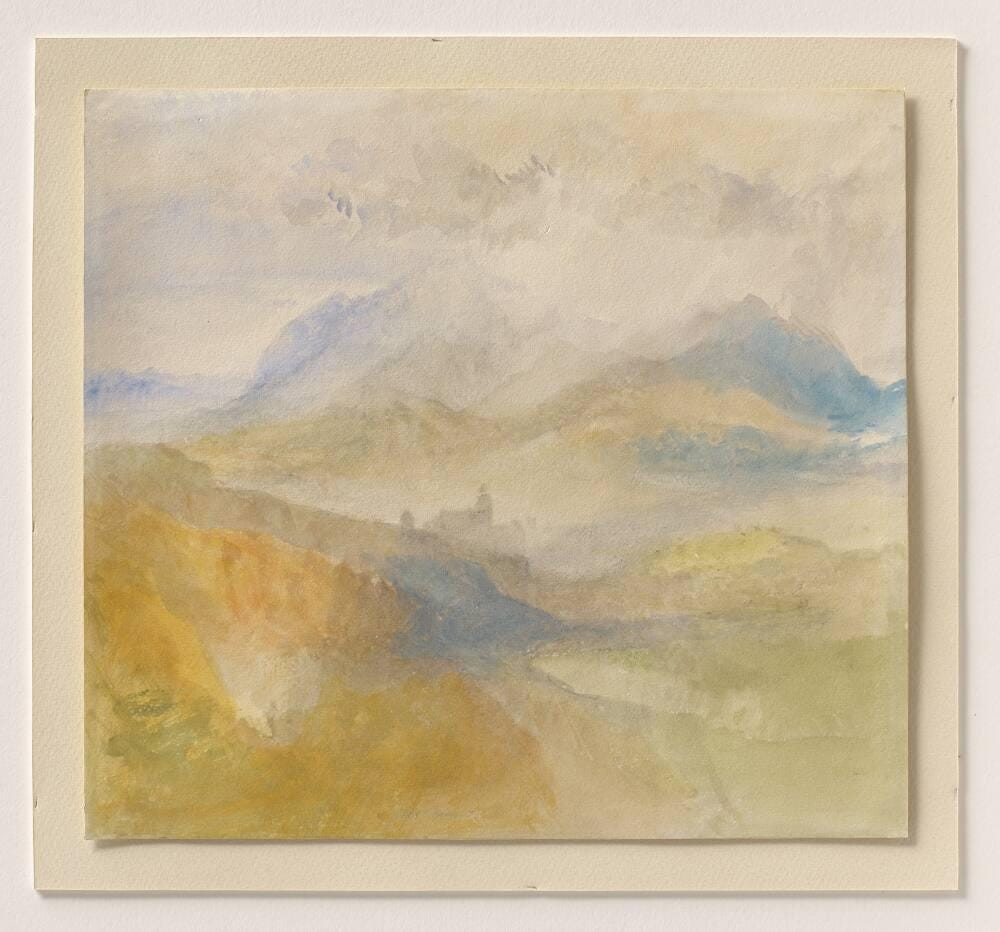
The Beach Boys, “Sloop John B,” Knebworth (1980)
My original idea for a Substack piece in the wake of Brian Wilson’s death was an essay on the Beach Boys in 1980. I didn’t know that period of their career very well, but someone posted a clip of the band playing “Sloop John B,” which sounded truly great. This tour was the last time that Brian, Carl, and Dennis (with Mike Love, Al Jardine, and Bruce Johnston) would perform as a group. But they weren’t a nostalgic act, at least not yet. Brian was in his late 30s (he had just turned 38 and the band sings “Happy Birthday” later in the show), but he seemed from a different time—you can hear the band excited for him to be there and sing. At Knebworth, that first verse of “Sloop John B” is all Brian, and I listened to this performance about two dozen times in the days after his death. Also, Carl sounds wonderful during this period, not to mention his killer Riviera electric 12-string (and wearing his equally killer timestamped green satin windbreaker).
The Grateful Dead, “He’s Gone” (July 8, 1987, Roanoke, VA)
In the car on one of those interminable summer afternoons, where you have a couple of errands, but they begin to feel impossible because of the snarl of both the heat and the traffic, so you quietly decide to ditch them, even if they were supposed to be fun in the first place, I flipped through to the Grateful Dead channel, which is usually an all-or-nothing proposition. But they were playing this version of “He’s Gone,” so I stayed. 1987 is a curious year for them—simultaneously rebuilding after Jerry’s health problems and hitting their height of mainstream popularity with In the Dark—but they still fired on all cylinders when they could. This show was one of a couple of one-off dates between shows with Bob Dylan that summer.
Lost one round, but the prize wasn’t anything,
A knife in the back and more of the same.
“That's three; nobody should have more than one talent.”
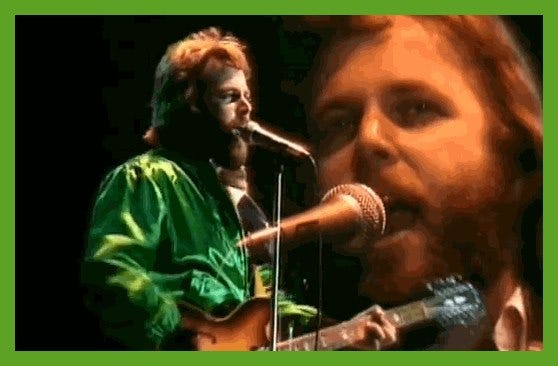
Anthony Minghella, The Talented Mr. Ripley (1999)
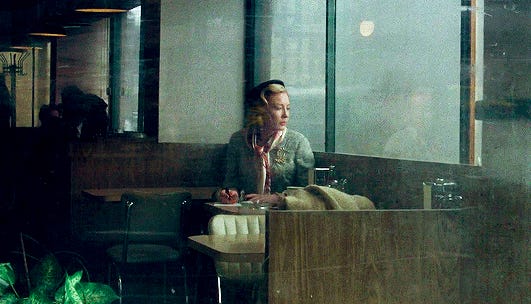
Todd Haynes, Carol (2015)
John Lurie, The History of Bones
Jeffrey Wright, “On Basquiat” (Criterion Channel)
Tony Rayns, “Commentary,” Chungking Express (Criterion Channel)
Scrolling through the Criterion Channel earlier this summer, I happened to land on The Talented Mr. Ripley, based on the novel by Patricia Highsmith, which I hadn’t seen probably since it came out. A few weeks later, in a hotel room in Santa Fe, I caught the last third of Carol, based on The Price of Salt by Patricia Highsmith, a film I had never seen before but now see as one of the most beautiful representations of mid-century America on screen. Between these two films, I had been reading off-and-on John Lurie’s memoir The History of Bones, a book that probably works best depending on your patience for heroin. Anyway, after finishing that book, I stumbled upon Jeffrey Wright’s interview about his first major film, Basquiat, which struck another nice note of resonance (Lurie and Basquiat had a fractured relationship). All of these different strands that developed out of thin air and then converged into one. The Highsmith bridge folds into the Lurie bridge, collapsing very different works of art into one. And finally, a reminder of what we lost in that brief shining moment of DVD extras: the Criterion Channel features commentary tracks of various films, and I highly recommend the one for Chungking Express, which helps situate it regarding Hong Kong cinema as well as points out some nice elements I had never noticed before.
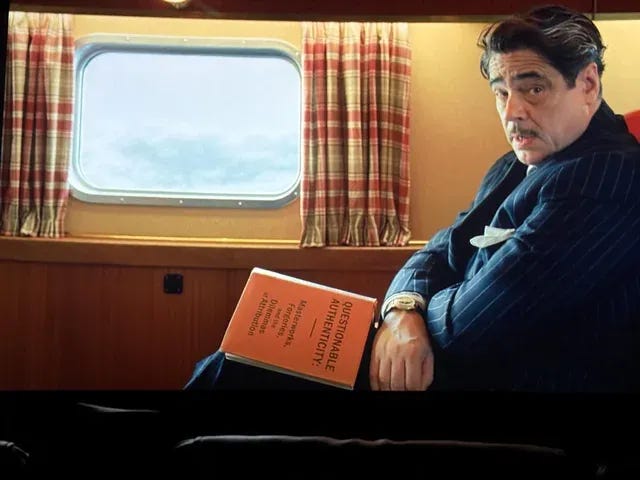
Wes Anderson, The Phoenician Scheme (2025)

I ended up seeing this film (featuring, of course, Jeffrey Wright) three times in the theater in rapid succession. The first time I felt underwhelmed, it was almost as if I had missed something big. For Anderson heads, note that I think Asteroid City is one of his great films, for context. I saw it again, in a near-empty theater, a few days later, and liked it so much more this time that I thought, “Did I sleep through the first screening?” And for good measure, and the fact that it was summer, I saw it a third time, this time in a completely empty theater, because why not. I still don’t think it rises to the level set by Asteroid City and its twists and turns of what is public and private and scripted and improvised and dreamt and invented, but the opening overhead shot is top-tier scored by Stravinsky’s “Apotheosis” (with the LP in the corner) as are the scenes set in the black-and-white afterlife. And the ending word of dialogue, as del Toro and Threapleton play cards, is a nice touch.
Plants and Baseball and Cassettes
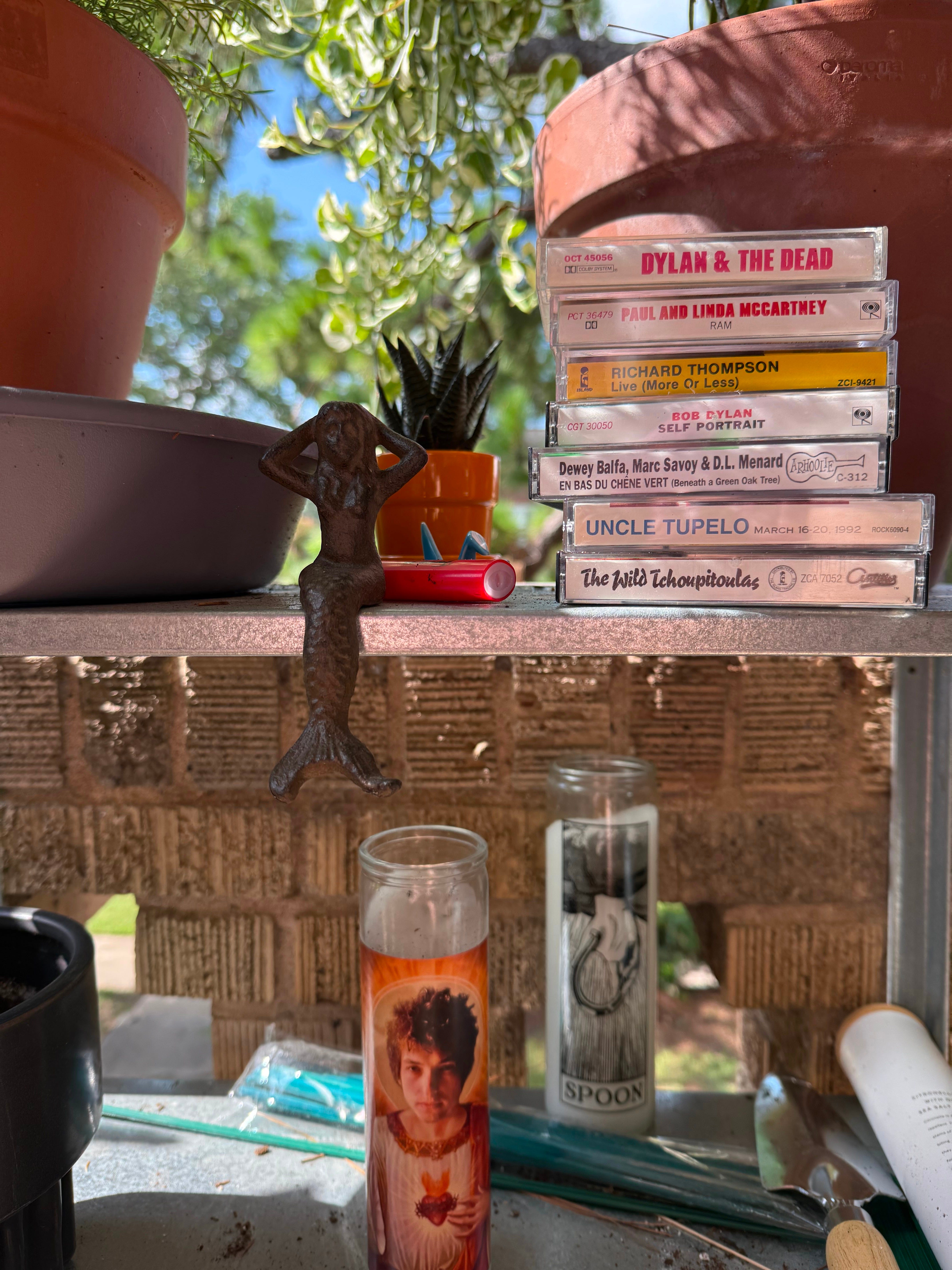
This section/season of my life deserves much more explanation and context than I can provide here. Still, much of the summer has been spent focusing on gardening, attending baseball games, and listening to cassettes. I realize that for many of you, none of this is worth mentioning, but it is so far removed from where I have been in my life that it feels like the creation of a new belief system. I love that I am so apologetic when I tell people about this latest turn. Both because it seems like I am describing the most ancient of hobbies and pleasures to people who have long known them, but also because the connecting tissue of these interests is at once obvious and mysterious. But that is for another day.
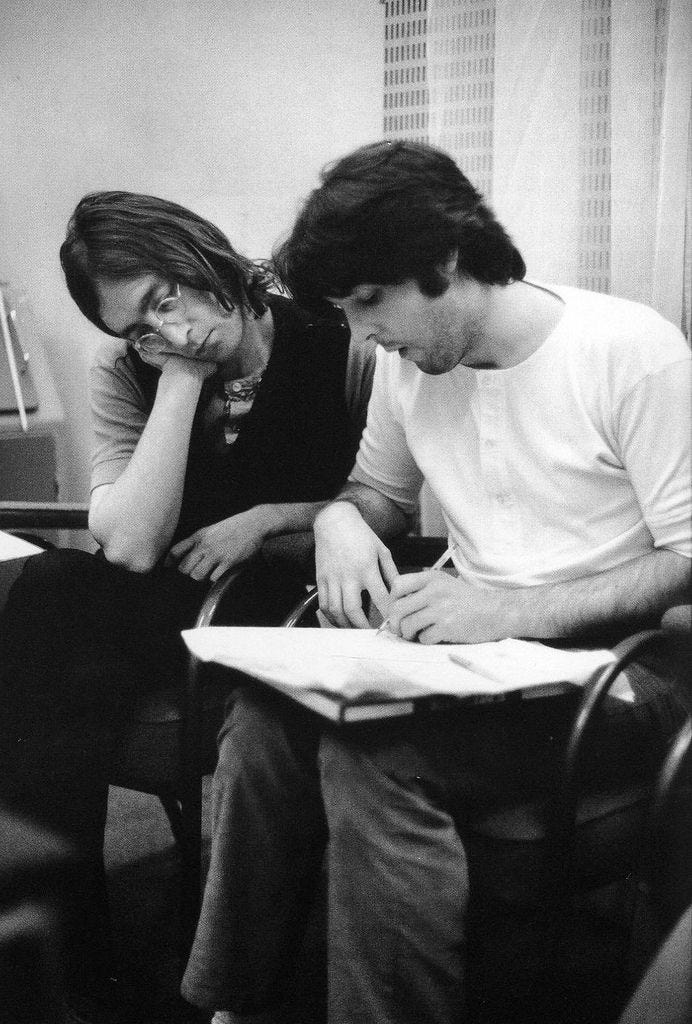
Ian Leslie, John and Paul: A Love Story in Songs (2025)
Every time you might think we have enough books on The Beatles, one comes along that reorients how you consider the group. A touching and deeply felt book, John and Paul is up there with Rob Sheffield’s Dreaming the Beatles, in terms of a book that forces you to reimagine songs and stories that you know, or thought you knew, in your bones. Leslie also reinforces something I often think about: how the “Get Back” sessions offered a period of (un)conscious historicizing for the group, and how brief that gap really was between the excitement of discovering how to write that very first song and the wearying slog of a dissolving band. Necessary.
I love the laundry list of associations. Turner, the Lurie/ Basquiat riff and Jeffrey Wright who will forever be Basquiat in my mind. Then you have Jeffrey Wright in Asteroid City.
I designed the Deep Ellum Dart station which involved tying all the many incarnations of that neighborhood together. Blind Lemon Jefferson to the Latino cultural center. I conceived it as a palimpsest. “The not yet meets the already gone.” was a quote by architect Steven Hull I used to give meaning to my laundry list
I had no idea you liked baseball, Court.